Kyoto Reverie: Seasonal Flavours and Zen Aesthetics
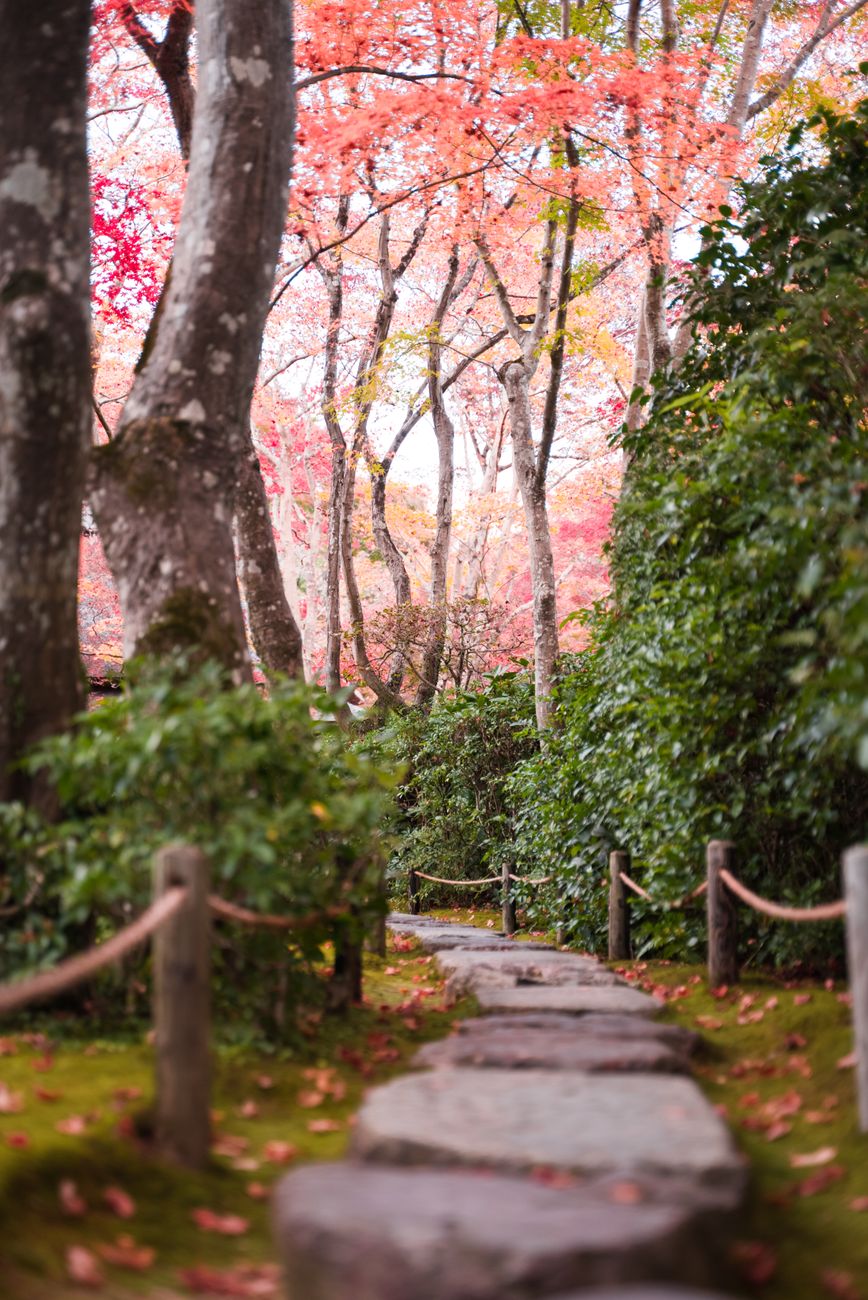
Table of Contents
In the ancient capital of Japan, elegance is found not in ostentatious displays, but within shaded cedar verandas, gravel gardens, and the gentle steam of roasted bancha.
1. The Shadowed Beauty of Machiya Homes
Walking the stone-paved lanes of Gion or Kamigamo before daybreak reveals Kyoto at its most intimate. The lattice timber facades of traditional merchant houses (machiya) mute the modern world. Inside, sliding paper screens filter sunlight into soft gradations of grey and amber, an aesthetic famously celebrated in Junichiro Tanizaki's In Praise of Shadows.
Restored townhouses allow visitors to live within these historic proportions, stepping on tatami woven from natural rushes and observing miniature courtyard gardens (tsuboniwa) where a single maple leaf mirrors the season.
2. Kaiseki: Micro-Seasons on Lacquered Trays
The culinary philosophy of Kyoto is rooted in the 72 Japanese micro-seasons (kō). A meal is never an arbitrary collection of courses; it is a geographic and chronological diary.
"Every ceramic dish, every slice of seasonal yuzu, reflects the exact moment in nature's unfolding cycle."
Local dashi simmered with aged kelp from the northern seas and soft Kyoto well-water provides the foundation for delicately poached root vegetables, sea bream sashimi, and hand-rolled soba.
3. Moss, Stone, and Morning Raking
At temples like Saiho-ji or Daitoku-ji, gardeners rake dry stone oceans with meticulous discipline. The meditative rhythm reminds travelers to shed hurried schedules and embrace observation over consumption.
Experience Traditional Japan
Our team coordinates exclusive stays in historic machiyas and private artisan workshops.