The Silent Ridges: Traversing the Pale Mountains
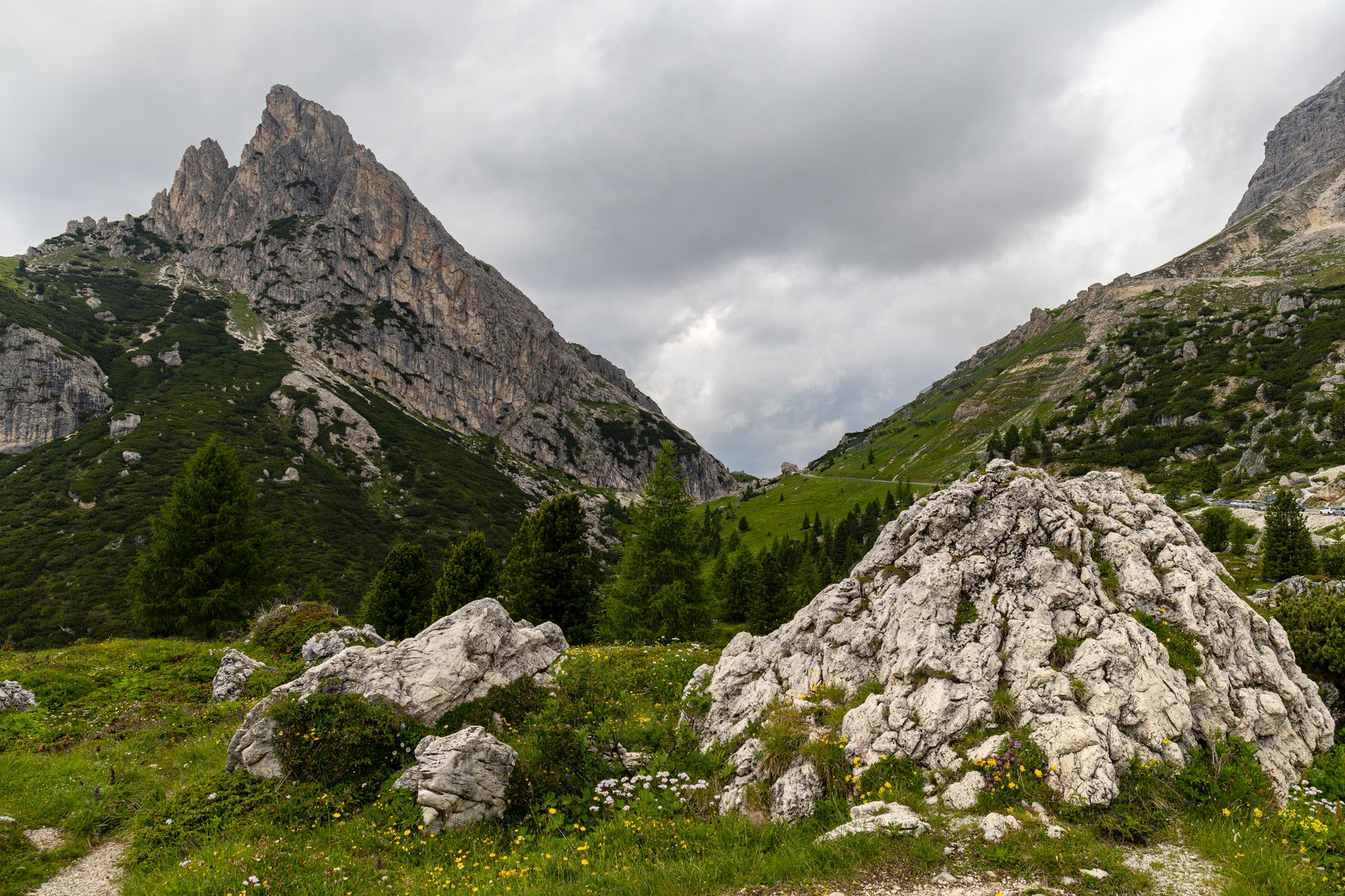
Table of Contents
Above the treeline, where larch forests surrender to stark vertical towers of magnesium limestone, the chatter of modernity fades into wind and stone.
1. The Coral Reefs Turned to Stone
Two hundred and fifty million years ago, the jagged pinnacles that pierce the northern Italian sky were warm, shallow lagoons teeming with primordial marine organisms. As tectonic forces hoisted these ancient reefs thousands of meters into the atmosphere, they carved one of the most sublime alpine landscapes on planet Earth.
Walking along the Alta Via trails during early autumn offers a rare quiet. The summer crowds have dispersed, leaving behind crisp morning frosts and the golden spectacle of turning larches. Here, time is measured not by clocks, but by the shifting angle of pink alpine glow known locally as enrosadira.
2. High-Altitude Sanctuaries and Rifugio Culture
To experience the Dolomites deeply is to spend nights above two thousand meters. Historic mountain rifugi, once austere stone shelters for early pioneers, today offer a harmonious blend of warm hospitality, regional Tyrolean cuisine, and starry skies untouched by light pollution.
"Solitude in the high peaks is not an absence of life, but the presence of an older, grander cadence."
Dining on polenta enriched with mountain cheeses and handmade canederli while looking out over misty valleys reminds travelers that geography and nourishment have remained intertwined for generations.
3. Slow Footsteps: The Ethos of Alpine Stewardship
The delicate flora of alpine meadows—edelweiss, gentian, and miniature saxifrage—survives only in fragile equilibrium. Responsible travel here requires rigorous adherence to marked footpaths, conscious consumption of local resources, and choosing muscle-powered ascent whenever possible.
Seeking a Guided Alpine Odyssey?
Our editorial planners can craft a bespoke walking route connecting authentic refuges.